
Walmart Earnings: A Beat, but the Stock Dipped
Walmart Earnings: A Beat, but the Stock Dipped
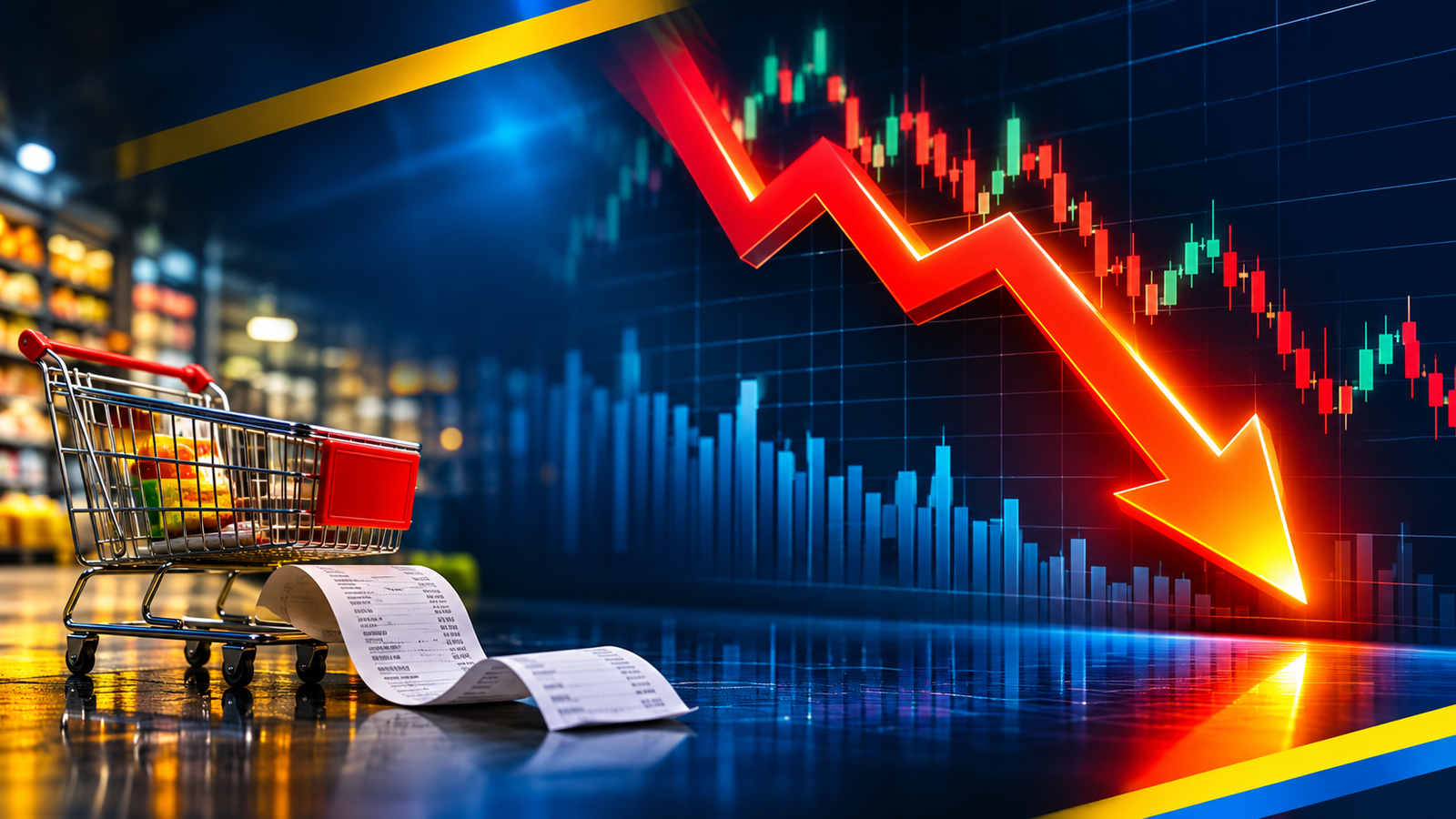
Walmart did almost everything right earlier today. It surpassed Wall Street's forecasts, raised its outlook for the year, and showed that its online business is still growing. And yet the stock slipped. If you are a newbie in investing, this is one of the most useful lessons the market can teach you: a great quarter and a rising stock are not the same thing. Let's unravel what Walmart reported and why the shares did not pop.
A Genuinely Strong Quarter
Here are the details of what Walmart reported for its fiscal third quarter. Revenue came in at $188.8 billion, representing an increase of 5.2% from a year ago and a little ahead of the roughly $187 billion analysts expected. Adjusted earnings were $0.65 a share, slightly above the $0.64 forecast. The online side was the star: global e-commerce sales rose significantly to 17%, and in the U.S. they jumped 23%, driven mostly by store pickup and delivery. Walmart's advertising business, which is small but very profitable, grew by about 37%. That matters more than it sounds, and we will come back to it. Management was confident enough to raise its full-year guidance, now expecting sales growth between 4.9% to 5.2% and adjusted earnings of $2.84 to $2.89 a share. By almost any measure, this was a strong report.
So Why Did the Stock Dip?
If the quarter was that good, why did Walmart stock slip instead of surge? The short answer is expectations. Walmart shares had already climbed about 25% in the six weeks heading into this report, as nervous investors rotated into steady, recession-resistant names. By the time the numbers landed, a lot of good news was already baked into the price. When a stock is priced for a beat, simply beating is not enough to push it higher. There was also a small blemish: on a reported basis, earnings were $0.62 a share, a few cents below the adjusted figure, because of a loss on some investments. None of that changes the business, but it gave a richly valued stock an excuse to take a breather. Traders call this selling the news, and it happens all the time to good companies.
Read: Home Depot Stock: What Beginners Should Watch Now
The Counter-Argument (And Why It's Serious)
The bear case on Walmart is not actually about this quarter, it is about the price you pay for it. After that big run, the stock trades near record highs, which is a lot to pay for a retailer that grows sales in the mid-single digits. If economic worries fade and investors rotate back into faster-growing areas, a defensive name like Walmart could lag. Costs are a real pressure too, because tariffs and higher wages can quietly squeeze profit margins even when sales look great. The bull rebuttal is that Walmart is no longer just a retailer. Its fastest-growing pieces, advertising and e-commerce, carry much higher profit margins than selling groceries, so the company's earnings can grow faster than its sales. That is the quiet story in this report, and it is why some investors are happy to pay up. But paying a premium price leaves little room for error, which is exactly why today's dip is worth paying attention to.
Read: Nike Stock: Why It Lost Half Its Value
The One Number to Watch: The High-Margin Mix
Forget the headline sales growth for a moment. The number that will decide whether Walmart deserves its premium price is how fast its high-margin businesses grow. Advertising up 37% and U.S. e-commerce up 23% are the engines that can lift Walmart's profit margins over time. If those keep compounding at double-digit rates or better, Walmart earns the right to trade richly, and the stock can grow into its valuation. If they slow down, the shares start to look expensive for a low-margin retailer. So in the next few quarters, watch the advertising and e-commerce growth rates more closely than the overall revenue line.
FAQ
Q: Did Walmart beat earnings?
Yes. Revenue was $188.8 billion and adjusted earnings were $0.65 a share, both a little above what Wall Street expected, and the company raised its full-year guidance.
Q: Then why did Walmart stock fall?
Mostly because expectations were already high. The stock had risen about 25% in the prior six weeks, so a solid beat was already priced in. That is a classic case of selling the news.
Q: Is Walmart still growing?
Yes, especially online. Global e-commerce rose 17%, U.S. e-commerce jumped 23%, and advertising grew about 37%.
Q: What is the main risk for the stock?
Its valuation. After a big run, the shares trade near record highs, which leaves little room for disappointment if growth slows or costs rise.
Disclaimer: Content on this site is for informational and educational purposes only and does not constitute financial, investment, or trading advice. I am not a licensed financial advisor. Always conduct your own research and consult a licensed professional before making investment decisions.
All Categories
Recent Posts
Walmart Earnings: A Beat, but the Stock Dipped

Nvidia Earnings: No Jensen, Now What?

2027 Social Security COLA: 3.6% Is About $75 a Month
Tags

Navigating wealth, One post at a time