
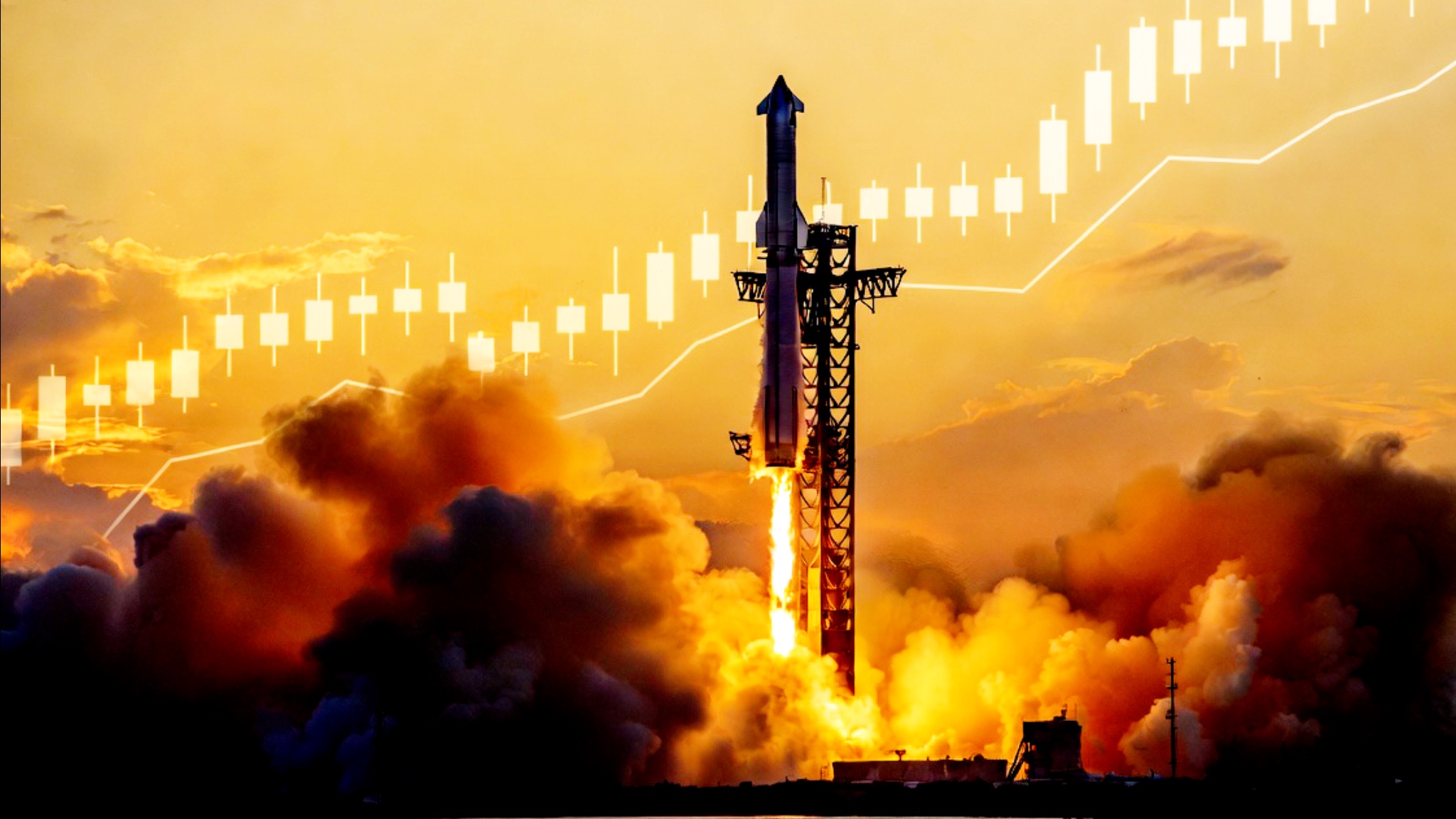
Few stock market events generate as much excitement as a major IPO. When SpaceX finally entered the public markets, investors rushed in with incredible enthusiasm. The company instantly became one of the largest publicly traded businesses in America, reaching a valuation that placed it among the market's elite.
For many investors, this felt like a once-in-a-generation opportunity. After all, SpaceX is not just another company. It is a business associated with innovation, artificial intelligence, space exploration, satellite communications, and Elon Musk, arguably one of the most influential entrepreneurs of the modern era.
But history teaches an important lesson. The most exciting investment opportunity is not always the best investment opportunity. This is where many beginner investors make costly mistakes. They confuse a great company with a great stock. The two are not always the same thing.
So before rushing to buy SpaceX stock after its blockbuster IPO, it's worth stepping back and examining the business through the lens of long-term investing.
You May Want To Read: 4 Space Stocks to Watch in 2026
What does the company actually do?
Why are investors so excited?
What risks should investors understand?
And most importantly, does the current valuation leave room for attractive long-term returns?
Let's break it down.
What the Company Does
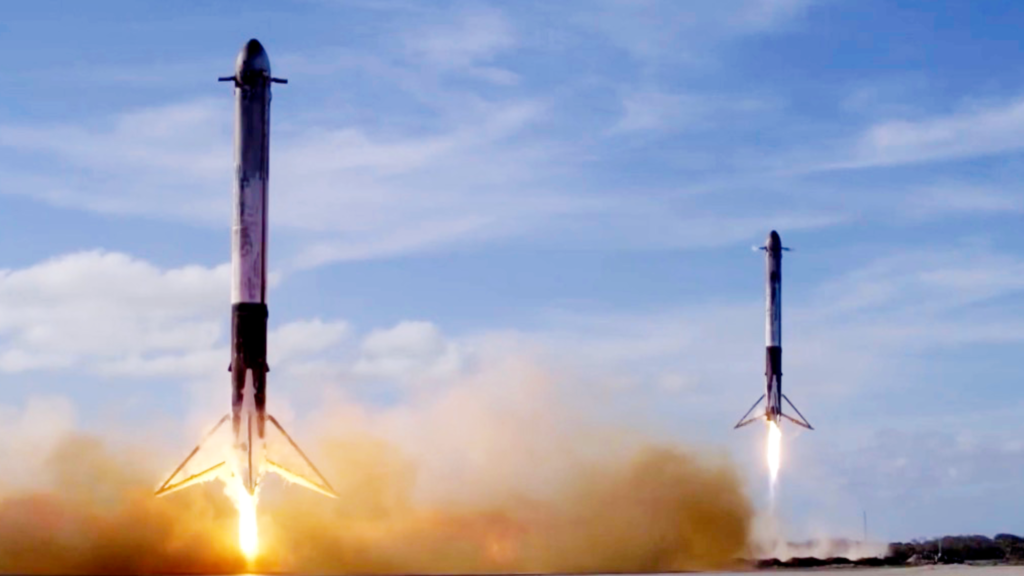
Most people know SpaceX as a rocket company. That's true, but it's also an oversimplification. At its core, SpaceX operates across several fast-growing industries that could shape the future of technology.
The company generates revenue through:
Launch services for governments and businesses
Satellite internet through Starlink
Space transportation systems
Defense and aerospace contracts
Artificial intelligence infrastructure initiatives
Enterprise technology solutions
Think of SpaceX as a combination of several businesses rolled into one.
Part aerospace company.
Part telecommunications provider.
Part AI infrastructure play.
Part future technology platform.
You May Want To Read: 3 Top AI Semiconductor Stocks to Watch in 2026
Starlink alone has transformed satellite internet by providing connectivity to remote regions worldwide. Meanwhile, its rocket business continues to lower launch costs and expand access to space. The company's growing AI ambitions have added another layer to its story. Management believes future opportunities could extend far beyond rockets and satellites. This broader vision is one reason investors have become so excited.
SpaceX isn't simply selling launches. It is attempting to build infrastructure for multiple trillion-dollar industries.
Why This News Matters for Investors
The IPO itself was historic. Investors have waited years for an opportunity to own shares of SpaceX. Until now, ownership was largely limited to insiders, venture capital firms, institutional investors, and private-market participants. Once public trading began, demand exploded.
But this reaction reveals something important about investor psychology. Many investors aren't buying SpaceX based on current earnings. They're buying what they believe the company could become. That distinction matters. Wall Street often values future possibilities more than present realities.
Investors see themes such as:
Artificial intelligence
Space commercialization
Satellite communications
National defense technology
Long-term technological innovation
These trends are attracting enormous amounts of capital. Institutional investors are constantly searching for companies that can dominate future industries. SpaceX appears to check many of those boxes. However, expectations can become dangerous when they become too optimistic. When a stock enters the market with sky-high expectations, management must deliver exceptional results for many years just to justify the current valuation. That raises the bar significantly.
Financial Breakdown
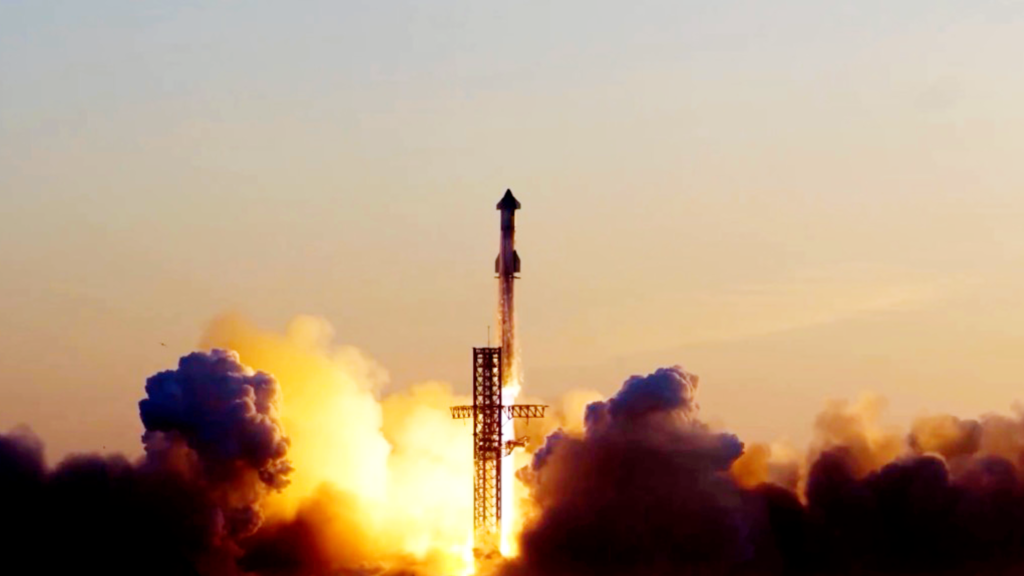
To understand the investment case, we need to separate the excitement from the numbers. SpaceX generated approximately $18.7 billion in revenue during 2025. For most companies, that would be impressive. The challenge is that investors assigned the company a valuation of roughly $2.1 trillion following its IPO. That creates a price-to-sales ratio above 100.
What does that mean in plain English?
Investors are paying more than $100 for every $1 of annual revenue the company currently generates. That's an extremely aggressive valuation. For comparison, many highly successful technology companies traded at far lower valuations even during periods of rapid growth. This doesn't automatically mean SpaceX is overpriced. But it does mean future growth expectations are enormous.
Investors are effectively betting that:
Revenue will grow dramatically
Profit margins will improve
New business segments will succeed
AI initiatives will generate meaningful returns
Space commercialization expands significantly
You May Want To Read: Why Warren Buffett Is Selling Apple and Buying...
The company appears financially strong in terms of growth potential and market positioning. However, the current valuation leaves little room for disappointment. That's often where risk emerges.
The Bull Case
There are several reasons long-term investors remain optimistic.
- Massive Market Opportunities
SpaceX is pursuing some of the largest markets in the world.
These include:
Artificial intelligence infrastructure
Satellite communications
Space transportation
Enterprise technology
Defense applications
Even modest success across multiple areas could support substantial growth.
- Strong Competitive Advantages
Few companies possess the engineering expertise, launch infrastructure, and operational scale that SpaceX has developed. Its technological lead creates barriers that competitors may struggle to overcome.
- Elon Musk Effect
Regardless of personal opinions, Musk has a track record of building companies that reshape industries. Many investors believe his ability to attract talent, capital, and public attention creates a meaningful advantage.
- AI Expansion
Artificial intelligence remains one of the biggest investment themes of the decade. If SpaceX successfully integrates AI into its broader ecosystem, entirely new revenue streams could emerge.
- Long-Term Innovation Potential
Many breakthrough technologies appear unrealistic in their early stages. Investors betting on SpaceX believe today's valuation reflects future opportunities that may not yet be fully visible.
The Bear Case
While the opportunities are exciting, investors should understand the risks.
- Valuation Risk
This is arguably the biggest concern. When a stock trades at extremely high multiples, even excellent business performance may not generate strong shareholder returns. A great company can still become a poor investment if purchased at too high a price.
- Execution Risk
SpaceX is pursuing multiple ambitious projects simultaneously. Not every initiative will succeed. Investors must assume some projects will face delays, cost overruns, or technical challenges.
- Complexity
The business has become increasingly difficult to analyze. The combination of aerospace operations, AI ambitions, satellite networks, and potential future acquisitions creates uncertainty. Complex businesses are harder to value accurately.
- Competition
While SpaceX holds strong advantages today, future competition cannot be ignored. Technology industries evolve rapidly. Market leaders can lose ground surprisingly quickly.
- Investor Expectations
Perhaps the biggest danger is unrealistic expectations. When investors expect perfection, even strong results can disappoint the market.
5-Year Scenario Analysis
Predicting stock prices is impossible. Analyzing business scenarios is much more useful.
Best-Case Scenario
SpaceX successfully scales Starlink, expands AI infrastructure, grows enterprise solutions, and maintains leadership in space technology. Revenue grows rapidly, margins improve. Investors continue assigning premium valuations. In this outcome, the company could justify much of today's optimism.
Moderate Scenario
Core businesses perform well. Growth remains strong but gradually slows as the company becomes larger. AI initiatives contribute modestly rather than transformationally. The business succeeds, but investor returns become more dependent on execution than hype.
Worst-Case Scenario
Growth slows. New projects underperform expectations, competition increases. Investors begin questioning valuation assumptions. The business remains successful, but the stock experiences significant downside due to excessive expectations. This scenario illustrates why valuation matters.
Who Should Consider This Stock?
SpaceX may appeal most to:
Growth Investors
Those seeking exposure to emerging technologies may find the story compelling.
Long-Term Investors
Investors with five- to ten-year horizons may be more comfortable with short-term volatility.
Innovation-Focused Portfolios
Those interested in AI, space technology, and next-generation infrastructure may view SpaceX as a strategic holding. However, conservative investors should recognize the risks. Income-focused investors may prefer dividend-paying businesses with more predictable cash flows. Similarly, investors uncomfortable with volatility may find the stock difficult to hold during market downturns.
Frequently Asked Questions
Is SpaceX stock good for beginners?
It depends on risk tolerance. The company has tremendous growth potential, but the valuation and uncertainty make it a higher-risk investment than many established blue-chip stocks.
Why is SpaceX stock so expensive?
Investors are pricing in future growth opportunities across AI, space technology, communications, and enterprise markets.
Does SpaceX pay a dividend?
Currently, investors are primarily focused on growth rather than income. Dividend policies may evolve over time.
What is the biggest risk facing SpaceX?
Valuation risk remains one of the most significant concerns. High expectations leave little room for disappointment.
Could SpaceX still grow over the next decade?
Yes. The industries it serves are expected to expand significantly. The key question is whether growth will justify the stock's current valuation.
Conclusion
SpaceX is undoubtedly one of the most fascinating companies available to public investors today. Its combination of space technology, satellite communications, artificial intelligence initiatives, and ambitious leadership creates a compelling growth story. But investing isn't about finding exciting stories. It's about finding situations where future rewards justify current risks.
Warren Buffett has spent decades reminding investors that price and value are not the same thing. A remarkable company can still be a poor investment if expectations become unrealistic. For beginner investors building long-term wealth, the most important lesson may not be whether SpaceX succeeds.
It may be understanding that patience, valuation discipline, and critical thinking often matter more than excitement. As the company enters its next chapter as a public business, investors should focus less on headlines and more on fundamentals. Revenue growth, profitability, execution and competitive advantages.
And whether the business can ultimately grow into the enormous expectations currently reflected in its stock price. Those are the factors that will determine long-term shareholder returns far more than the excitement surrounding its IPO.
Disclaimer: This article is for educational purposes only and should not be considered financial advice.