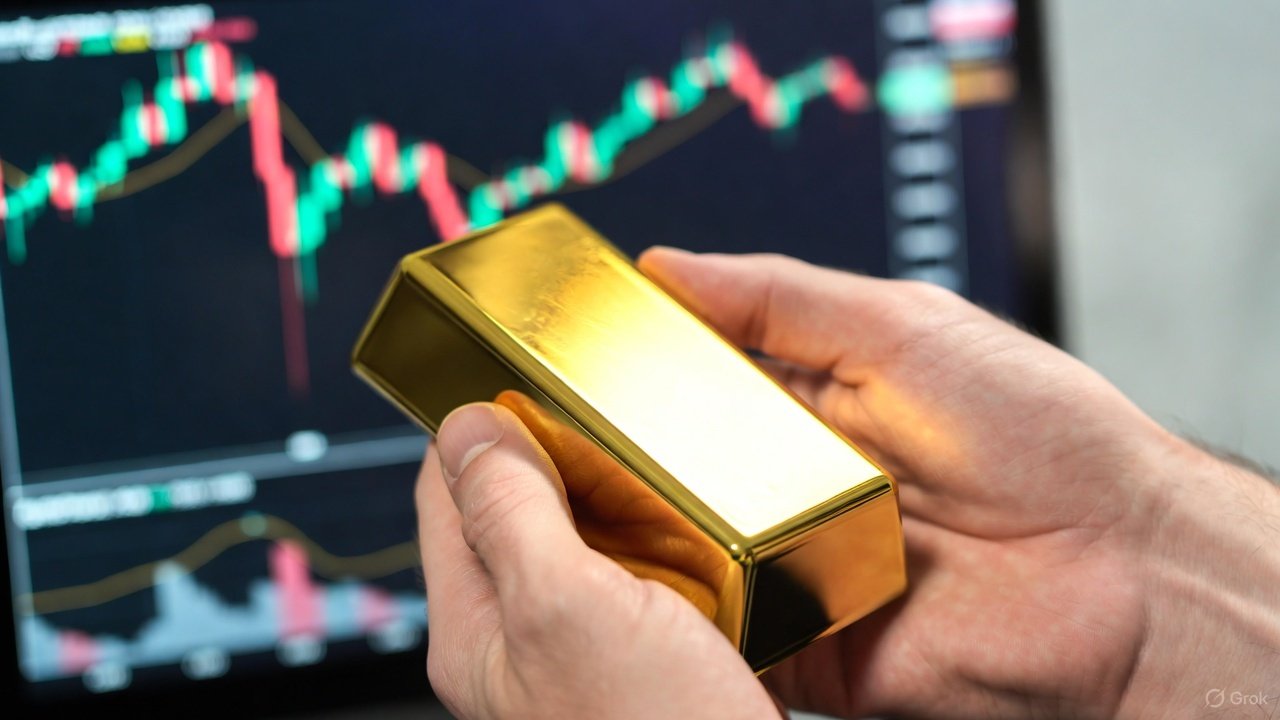
Gold is having a spectacular year, leaving major stock indexes and even high-flying tech stocks in the dust. For investors seeking stability and growth in uncertain times, the shiny metal is proving once again why it has been a cornerstone of wealth preservation for centuries.
Gold vs. Stocks: A Stunning 2025 Performance
Despite a strong stock market, gold is outperforming just about everything. The S&P 500 has gained around 13% so far, and the Nasdaq-100 has returned close to 17% this year. Even investors riding the AI boom have seen impressive returns, with Nvidia shares climbing roughly 31%.
Yet, gold’s performance is truly eye-popping: it has surged 56% in 2025, which is seven times its average annual gain of about 8% over the last 30 years.
This remarkable growth reflects a mix of economic and political pressures, including rising government spending, a ballooning national debt, and persistent uncertainty in global markets.
Why Gold Is a Top Pick in Uncertain Times
Gold has been a trusted store of value for thousands of years, largely because of its scarcity. According to the World Gold Council, humanity has mined just 216,000 tons of gold far less than silver or coal reserves.
Historically, many nations pegged their currencies to gold, including the U.S. until 1971, which ensured that money could not be printed without backing in physical gold. Since leaving the gold standard, the U.S. has significantly expanded its money supply, eroding the dollar’s purchasing power by nearly 90% over the past five decades.
With the U.S. national debt now at a record $38 trillion and a fiscal deficit of $1.8 trillion in 2025, investors are increasingly concerned that continued money printing could stoke inflation. Gold, which retains value when paper currencies falter, becomes a natural hedge in this environment.
Gold as a Hedge: Simple, Reliable, and Low Risk
Unlike stocks or real estate, gold doesn’t generate revenue or earnings. But that’s part of its appeal: it carries fewer systemic risks and provides a simple way to preserve wealth. Historically, the price of gold tends to track increases in the money supply, offering protection against reckless fiscal policy and inflation.
For most investors, gold is not just a safe haven, it’s a strategic tool to diversify a portfolio. Its performance this year underscores the value of allocating even a portion of your investments to hard assets.
How to Own Gold Easily: The SPDR Gold Shares ETF
Buying physical gold is the most direct way to capture its value, but storing, insuring, and selling bullion can be cumbersome and expensive. That’s where SPDR Gold Shares (GLD) comes in.
This ETF simplifies ownership:
- Instant liquidity: Shares can be bought or sold with a click.
- No physical storage: Avoids the costs and security concerns of holding bars or coins.
- Backed by physical gold: The fund holds enough gold to cover its $136 billion in assets.
There is an annual expense ratio of 0.4%, which covers management fees. For most investors, this is more cost-effective than the combined storage and insurance costs of physical gold.
A caveat: GLD investors do not own the metal directly, so in a global financial crisis, only actual bullion could provide absolute security. Nevertheless, for routine investing, the ETF is a practical and efficient choice.
Key Takeaways for Investors
- Gold has outperformed major U.S. indexes and tech stocks like Nvidia in 2025.
- It serves as a hedge against inflation, currency devaluation, and fiscal uncertainty.
- The SPDR Gold Shares ETF provides an easy, cost-effective way to invest without handling physical gold.
- Diversification remains crucial: gold is best held alongside stocks, bonds, and other assets.
Gold’s 56% return this year is exceptional, but long-term averages hover around 8% annually. That makes it a strategic tool for growth and protection, rather than a quick speculative bet.
Disclaimer: This article is for informational purposes only and does not constitute investment advice. Always consult a licensed financial advisor before making investment decisions.