

The stock market’s defense sector has jumped higher this week after U.S. President Donald Trump outlined plans to dramatically increase the country’s military budget. Investors responded quickly, lifting shares of major defense companies not only in the United States but around the world.
Trump’s New Military Budget Plans Drive Market Optimism
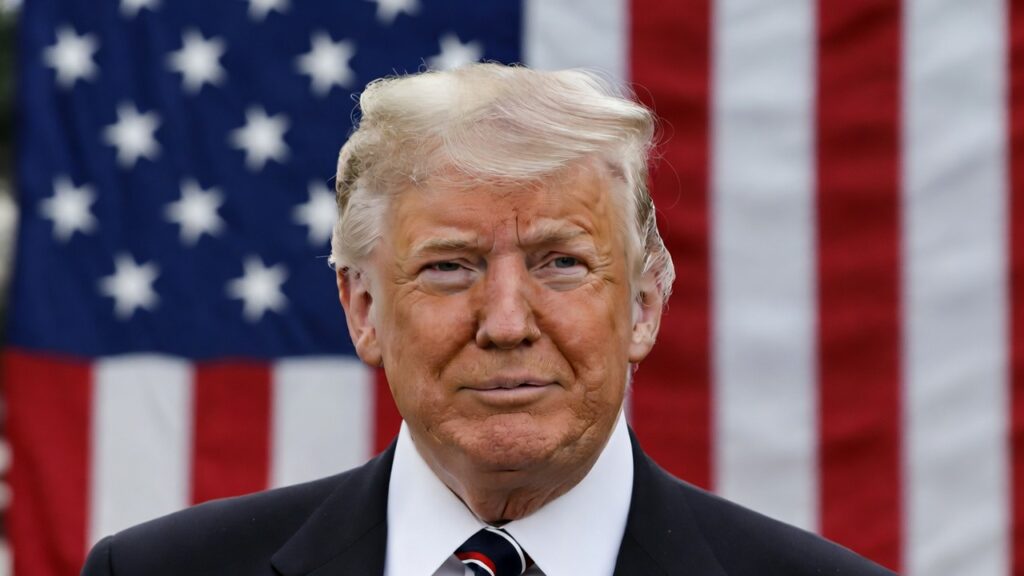
President Trump has proposed boosting the U.S. military budget for 2027 to $1.5 trillion, a significant jump from the roughly $901 billion defense budget Congress approved for 2026. This 50 % increase signals stronger defense spending ahead and is a key reason defense-related stocks are climbing.
In response to the announcement, major U.S. defense contractors saw sharp gains in early market trading:
- Northrop Grumman shares climbed around 7 – 8 %.
- Lockheed Martin rose roughly 7 %.
- RTX Corporation and Kratos Defense also registered notable increases.
These moves show how sensitive defense stocks are to spending policy and geopolitical expectations.
European Defense Stocks Also Surge on Spending Signals
The rally wasn’t limited to the U.S. Across Europe, defense firms have also seen strong gains as global markets react to expectations of higher military expenditures.
A broader European aerospace and defense index hit new highs as investors bid up shares of several major companies:
- BAE Systems saw its stock increase by about 6 %.
- Rheinmetall and Leonardo also recorded solid gains.
Analysts say that global geopolitical uncertainty from ongoing conflicts to nations reassessing defense priorities is helping power these moves. The European defense sector’s positive performance reflects both regional spending increases and spillover effects from U.S. policy shifts.
Policy Shifts Raise Debate on Defense Funding
Alongside the proposed budget boost, the Trump administration has also signaled changes to how defense companies operate financially. Measures discussed include restrictions on stock buybacks and dividends until contractors speed up production and invest more in capacity and research.
Market reactions have been mixed. Some investors worry these limits could reduce returns to shareholders. Others see it as freeing up capital for modernization and production growth. Morgan Stanley analysts noted that while limits on payouts could be a slight negative, the overall impact may be “manageable” and even redirect funds toward growth.
Why This Matters for Investors
Defense stocks tend to react strongly when government spending priorities shift. A larger U.S. defense budget combined with rising European defense commitments could support a long-term uptrend in this sector.
Key market themes include:
- Geopolitical risk driving demand for military equipment and technology.
- Corporate performance tied to government contracts, not just consumer demand.
- Global diversification, as European and Asian defense firms also participate in growth.
Investors watching the defense industry should stay alert to political developments, budget negotiations in Washington, and global defense spending trends.
Quick Take: What’s Next
While the proposed $1.5 trillion military budget must still go through Congress, the market signal is clear: defense companies are being priced for higher government spending and continuing geopolitical uncertainty.
In the short term, stocks in firms like Lockheed Martin, Northrop Grumman, BAE Systems, Rheinmetall, and others may continue showing volatility, climbing on spending optimism and adjusting to policy risks like changes to buybacks or executive compensation.
Disclaimer
This article is for informational purposes only and should not be interpreted as financial or investment advice. Stock market investments carry risk, and past performance is not a guarantee of future results. Always consult with a qualified financial adviser before making investment decisions.